

Verlingue supports the Veneto Festival 2026
Verlingue supports the Veneto Festival 2026
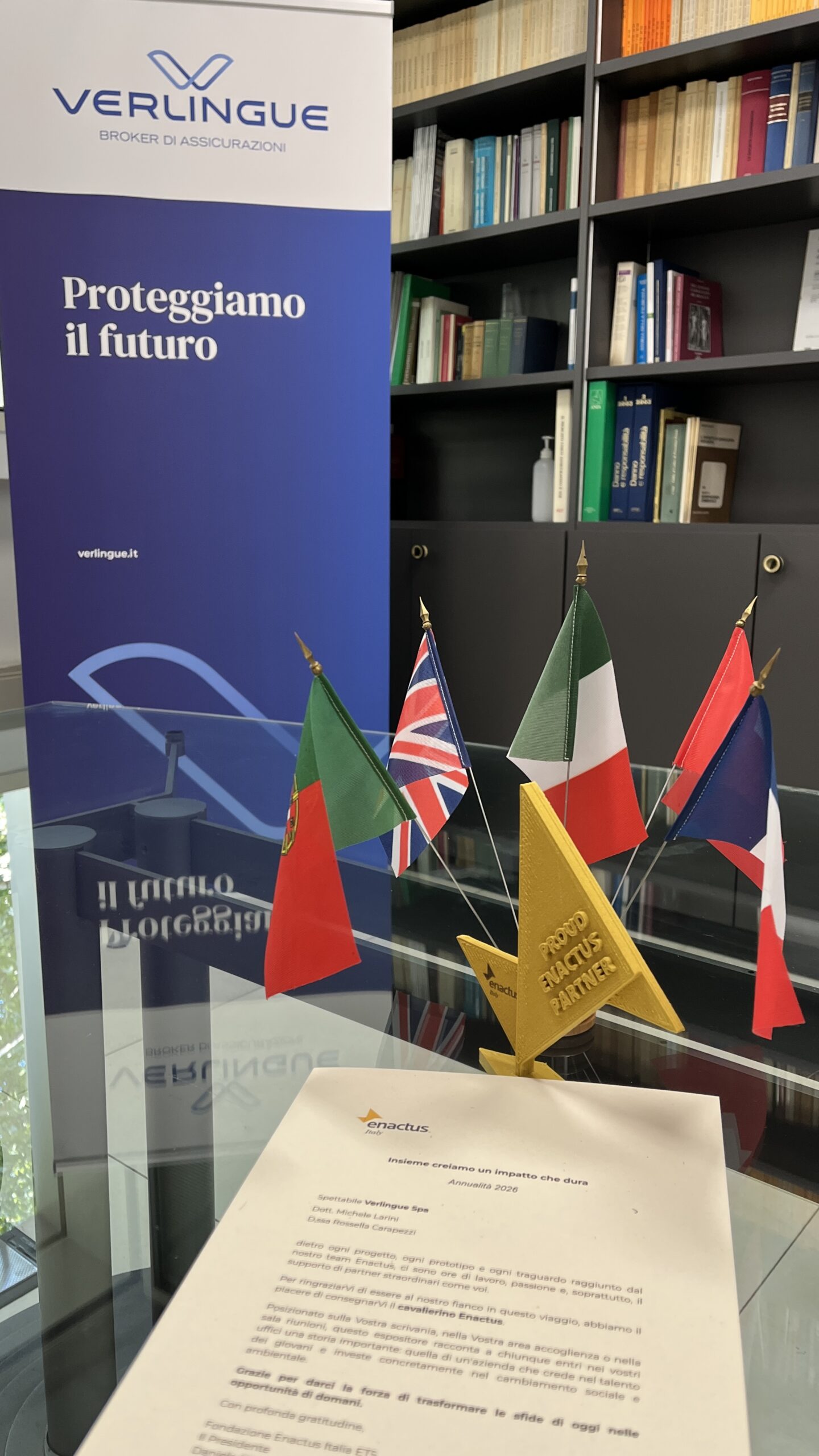
For the second year running, Verlingue is sponsoring the International G. Tartini Festival, organised by I Solisti Veneti
Verlingue is renewing its support for the Veneto Festival for the second consecutive year. Now in its 56th edition, the International Giuseppe Tartini Festival is organised by I Solisti Veneti, conducted by Giuliano Carella. This partnership confirms Verlingue’s commitment to the local area, to culture and to initiatives that create lasting value for communities.
The 2026 edition of the Veneto Festival runs from 25 May to 20 September and features a rich programme inspired by the theme “Music, art and architecture from Veneto to the world”. This phrase captures the spirit of the festival: a musical journey starting in Padua and reaching some of the most significant artistic and cultural venues in Italy and Europe, from the Auditorium Pollini to the Basilica of Saint Anthony, from the Teatro Olimpico in Vicenza to the Sale Apollinee at Teatro La Fenice in Venice, as well as Pirano, Rimini and Constanța.
The programme includes twenty concerts, ranging from Baroque and Classical music to the twentieth century, alongside special projects that bring together music, theatre, memory and architecture. Highlights include the opening concert in Padua with Lilly Jørstad, the tribute to the 80th anniversary of the Italian Republic at the Teatro Olimpico in Vicenza, the three modern-day premiere performances of Baldassare Galuppi’s Mundi Salus, the “Musica degenerata” concert at La Fenice and “Grammelot musicale”, marking the centenary of Dario Fo’s birth.
The cultural significance of the Festival is further strengthened by the history of I Solisti Veneti, the orchestra founded in 1959 by Claudio Scimone and now led by Giuliano Carella. Over more than 65 years of activity, the ensemble has brought the music of Veneto to over 90 countries, performing more than 6,000 concerts, recording over 350 albums, CDs and DVDs, and receiving major international awards, including a Grammy Award in Los Angeles.
For Verlingue, supporting this initiative means embracing a shared vision: protecting the future is not only about helping companies, professionals and social organisations manage risk, but also about preserving the cultural heritage that gives communities their identity. For over forty years, Verlingue has supported businesses and organisations by developing tailored insurance solutions. Its sponsorship of the Veneto Festival is part of this same approach, strengthening the connection between business, culture and social responsibility.
News























Insurance broker or insurance agent: what is the difference for businesses?
Insurance broker or insurance agent: what is the difference for businesses?
Two different roles in insurance distribution, with practical implications for corporate risk management
In everyday language, the terms insurance broker and insurance agent are often used interchangeably. In practice, however, they refer to two different roles, with distinct mandates, responsibilities and relationships with the client. This is not just a technical distinction: it can affect the way a business analyses its risks, compares available cover and builds an insurance programme aligned with its needs.
According to the classification of the Single Register of Insurance and Reinsurance Intermediaries, maintained by IVASS, agents are listed in section A and act in the name of, or on behalf of, one or more insurance companies. Brokers, on the other hand, are listed in section B, act on the client’s instructions and do not have powers to represent insurance companies.
What does an insurance agent do?
This model can be effective when the insurance requirement is clear, limited in scope and aligned with the offering of the insurer represented. An agent has in-depth knowledge of the products provided by their principal and can support the client during policy placement and management.
For a business with more complex risks, however, the limitation lies in the market perspective. The analysis tends to focus on the solutions offered by the represented insurers, rather than on the wider insurance market.
What does an insurance broker do?
For a company, this means working with an adviser whose starting point is not the product, but the risk profile. That difference is significant. A manufacturing business, a service company, an international group or a public body does not simply need to “buy a policy”: it needs to understand which exposures should be transferred to the insurance market, which should be retained, and which should be mitigated through organisational, contractual or technical measures.
Mandate, client interest and advisory role
In summary:
- an agent acts in the name of, or on behalf of, one or more insurance companies;
- a broker acts on the client’s instructions;
- an agent offers solutions linked to the mandate received from insurers;
- a broker searches the market for cover that best matches the client’s needs;
- both are regulated intermediaries and must be registered with the RUI.
The Single Register of Intermediaries is publicly accessible and allows clients to verify whether an individual or firm is authorised to carry out insurance distribution activities in Italy.
Why a broker is strategic for corporate risk management
This is where the broker plays a key role: assessing the risk before assessing the policy. A broker can support the company in analysing exposures relating to civil liability, cyber risk, property, D&O, fleets, transport, credit, employee benefits and international programmes. The value lies not only in comparing offers, but in building an integrated insurance strategy.
Verlingue: insurance advisory services for businesses
Verlingue is an Italian insurance broker and part of international insurance broking group Verlingue, a company of the Adelaïde Group. It supports businesses through risk management and risk assessment services, developing tailored insurance programmes to meet their specific needs. The objective is to help companies make more informed decisions, turning insurance from a simple requirement into a tool for protection, stability and growth.
News
Verlingue supports Atlantide Pallavolo Brescia
Verlingue supports Atlantide Pallavolo Brescia
The partnership supported the Brescia-based club’s sporting project throughout the 2025/2026 season
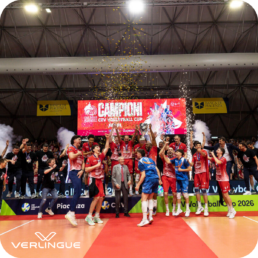
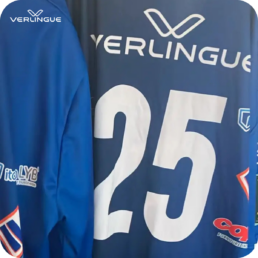
During the 2025/2026 season, Verlingue supported Atlantide Pallavolo Brescia as an official Supporter and Partner, contributing to the club’s sporting project.
The partnership reflects Verlingue’s strong ties with the Brescia area and with the organisations that contribute to its social and community life. Volleyball embodies values such as teamwork, preparation, responsibility and long-term commitment, which are equally relevant in professional and business environments.
At the end of the season, Atlantide Pallavolo Brescia presented Verlingue with a commemorative shirt as a gesture of thanks and recognition for the support provided.
News
Enactus Italia presents Verlingue with the “Enactus statuette”
Enactus Italia presents Verlingue with the “Enactus statuette”
The recognition reflects Verlingue’s support for projects dedicated to young people and to creating lasting social and environmental impact
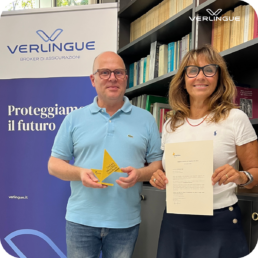
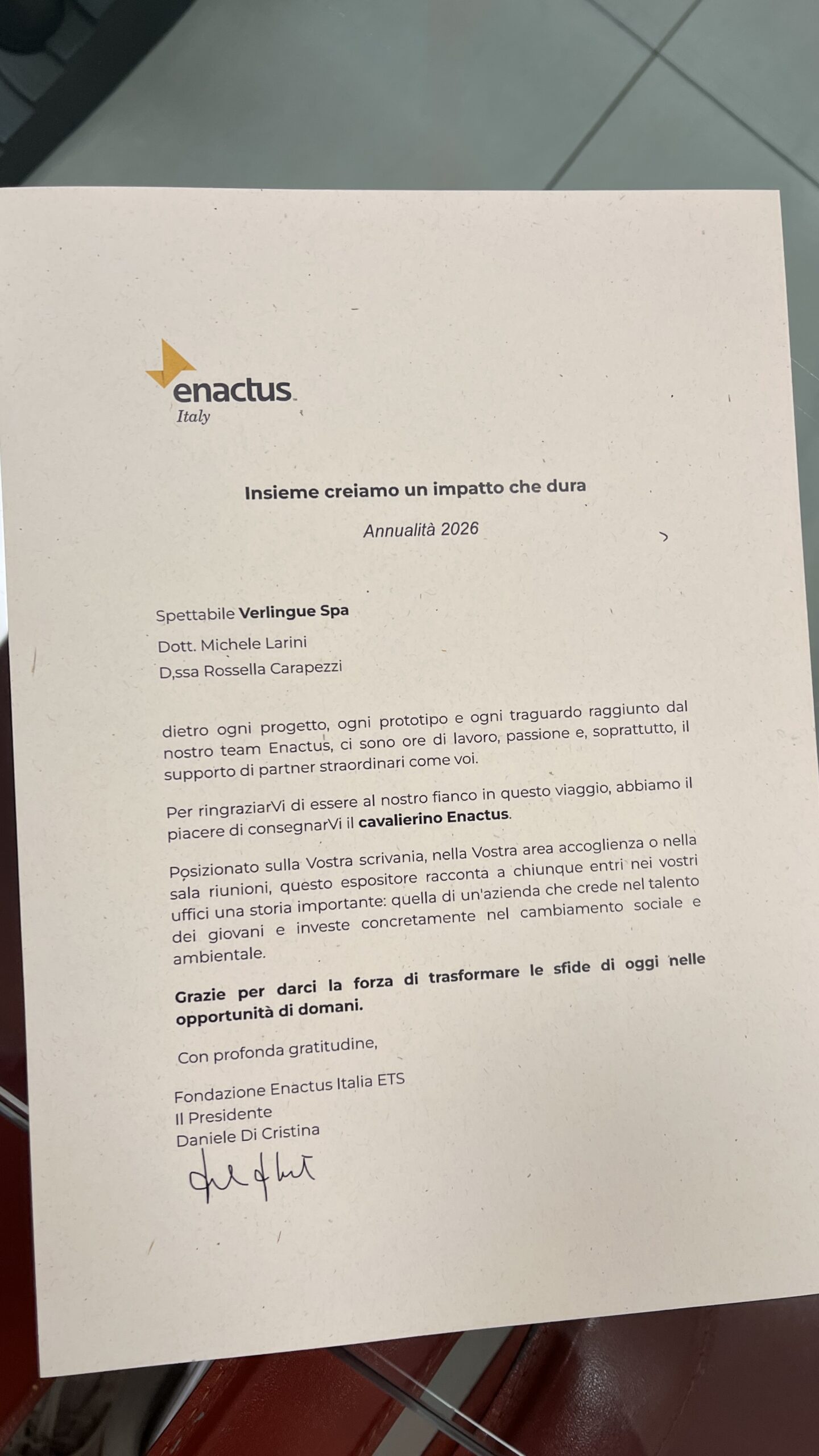
On Friday 17 July, at Verlingue’s Parma office, Brunella Airaudo, Vice-President of Enactus Italia, presented Verlingue with the “Enactus statuette”.
The statuette is a token of appreciation awarded to companies that support the Foundation’s work and the projects developed by young people within the Enactus network, with the aim of generating a positive social and environmental impact.
The presentation reinforces the value of the partnership between Verlingue and Enactus Italia and reflects their shared commitment to nurturing the talent of younger generations, helping them turn today’s challenges into opportunities for development and innovation.
Designed to be displayed in the company’s premises, the “Enactus statuette” symbolically conveys to employees and visitors Verlingue’s decision to support initiatives that bring together skills, entrepreneurship and responsibility towards the wider community.
News

Cyber Risk in Manufacturing SMEs: How to Protect Operations, Data and Business Continuity
Cyber Risk in Manufacturing SMEs: How to Protect Operations, Data and Business Continuity
From prevention to cyber insurance: a practical guide to reducing exposure to cyber threats
For manufacturing SMEs, cyber risk is no longer limited to computers, emails or digital archives. Today, a cyber attack can halt production lines, disrupt logistics, damage relationships with customers and suppliers, and generate costs that are difficult to absorb.
The growing integration of ERP systems, connected machinery, cloud platforms and supply chain networks has made cyber security a core element of business continuity. In this context, cyber risk is no longer just an IT issue: it is an operational, financial and reputational risk.
Ransomware, credential theft, phishing, software vulnerabilities and supply chain attacks are now concrete threats for businesses of every size. According to ENISA, ransomware, supply chain attacks and phishing remain among the main concerns for European organisations, with SMEs still showing uneven levels of preparedness. The Verizon Data Breach Investigations Report also highlights the central role of ransomware in cyber breaches, particularly within industrial sectors.
The first step: identifying critical assets
Effective cyber risk management starts with understanding what needs to be protected. Manufacturing SMEs should begin with a clear mapping of their critical assets: management systems, connected machinery, customer databases, orders, technical drawings, access credentials, backups, IT suppliers and cloud services.
Practical measures to reduce exposure
Managing cyber risk requires a structured approach based on prevention, monitoring and response capability. Key priorities for manufacturing SMEs include:
- regularly updating software, systems and industrial devices;
- separating IT and OT networks wherever possible;
- training employees to recognise fraudulent emails and phishing attempts;
- implementing frequent, isolated and tested backups;
- establishing an incident response plan;
- assessing the cyber exposure of critical suppliers.
Technology alone is not enough. Governance is equally important: who makes decisions during an attack? Who communicates with customers, suppliers, legal advisers, IT specialists and insurers? How long can production remain offline before the damage becomes critical?
Answering these questions in advance helps reduce downtime, financial losses and reputational impact.
The role of cyber insurance
Within this framework, cyber insurance can play a role, provided it forms part of a broader risk management strategy.
An appropriate policy can support businesses in the event of:
- business interruption;
- crisis management;
- third-party liability;
- data breaches;
- specialist incident response services during the critical first hours after an attack.
For this reason, companies should look beyond premiums and policy limits alone. Deductibles, exclusions, incident response services, minimum security requirements and alignment between coverage and actual business exposure all deserve careful assessment.
Protecting the ability to operate
For manufacturing SMEs, cyber risk should not be treated solely as a technical issue delegated to the IT department. It is a business-critical operational risk.
Addressing it effectively means protecting not only data, but also the company’s ability to manufacture, deliver and maintain market trust. In a sector where continuity, reliability and responsiveness are essential competitive factors, cyber risk management has become an integral part of industrial strategy.
News
Verlingue at the WIN 2026 Convention
Verlingue at the WIN 2026 Convention
Brokers, insurers and providers discuss the evolution of the insurance market
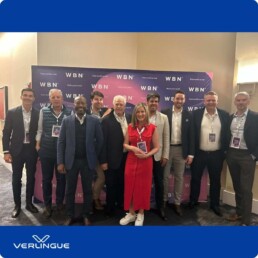
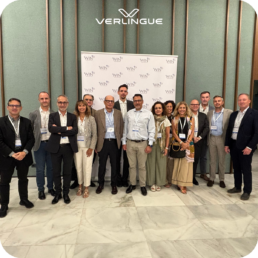
On 2 July 2026, Verlingue attended the WIN Convention 2026, the annual event bringing together brokers, insurers and providers from the WIN – Wholesale Insurtech Network to discuss the key transformations shaping the insurance market.
The event provided an opportunity for industry insight and debate on some of the most relevant issues currently facing the sector: from the changing role of insurance broking to the evolution of risk, technological innovation and the use of artificial intelligence in insurance processes.
For Verlingue, as a WIN partner, the Convention was an important opportunity to engage with the market and exchange views, gaining a closer understanding of the dynamics that are redefining the role of the insurance broker and the needs of businesses.
Insurance broking: specialisation and new models
In this context, the broker’s role is no longer limited to placing insurance solutions. Brokers are increasingly called upon to help companies understand more complex risks, design appropriate insurance programmes and identify solutions that are aligned with market developments.
The WIN Convention 2026 highlighted how the evolution of the sector requires greater integration between insurance expertise, data, digital processes and analytical capabilities.
MGAs: a model to watch
Under the traditional model, an MGA distributes and underwrites policies on behalf of an insurance company, usually assuming only a limited share of the risk. Integration with a captive changes this structure, allowing the organisation to participate more directly in the underwritten risk and in the technical performance of the portfolio.
In some cases, the model involves the use of a fronting carrier, which issues the policies and transfers part of the risk to the captive through reinsurance. This structure can offer greater flexibility in the design of insurance products, particularly in niche or highly complex markets.
At the same time, it is a model that requires careful consideration from a regulatory, capital and actuarial perspective. Direct participation in risk requires robust underwriting standards, appropriate control processes and a structured approach to compliance.
Technology, AI and insurance process management
For brokers, technology is becoming an increasingly important factor in information management, risk assessment and dialogue with insurers and clients. However, the adoption of digital tools must be supported by strong technical expertise and clear process governance.
M&A, leadership and integration
In this context, the ability to lead change becomes a central factor. Processes, people, technologies and corporate cultures must be coordinated consistently in order to generate value and preserve service quality.
News
Verlingue at Zurich’s Multinational Academy for Brokers
Verlingue at Zurich’s Multinational Academy for Brokers
International collaboration, innovation and global risk management at the heart of Zurich’s industry event in Zurich.
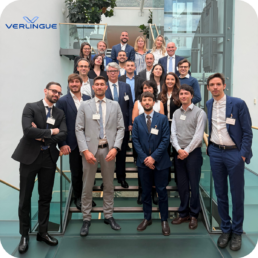
On 11 and 12 May, Verlingue had the opportunity to take part in the Multinational Academy for Brokers, hosted by Zurich at the Zurich Development Center in Zurich.
The event brought together some of the leading international insurance brokers, including AON, Marsh, WTW, Howden, Edge, Lockton and Wide, creating a valuable forum for exchanging insights and sharing best practices in the management of multinational insurance programmes.
Over the two-day programme, participants explored a range of topics shaping the international corporate insurance market. Through interactive sessions and technical discussions, attendees examined the key features of multinational programmes, the ongoing development of Zurich’s digital capabilities through the MyZurich platform, and the importance of a strong international network in delivering coordinated solutions that comply with local regulatory requirements.
Particular attention was also given to Captive Fronting solutions and to the growing importance of business resilience, with dedicated discussions on the impact of climate change and the increasing sustainability expectations facing organisations worldwide.
Beyond the technical content, the Academy provided an excellent opportunity to connect with professionals from different markets and business environments, reinforcing the value of collaboration between insurers and brokers in developing effective solutions for companies operating across multiple countries.
Participation in initiatives of this calibre reflects Verlingue’s ongoing commitment to maintaining the highest standards of expertise and professional development. By continuously investing in knowledge and international best practice, Verlingue aims to support Italian businesses in managing their insurance and risk management needs on a global scale.
News

Cyber risk and business continuity: Verlingue joins the Confimi Apindustria Mantova webinar
Cyber risk and business continuity: Verlingue joins the Confimi Apindustria Mantova webinar
As cyber threats continue to evolve, businesses and professionals need practical strategies to strengthen their resilience and protect their operations
Phishing attacks, ransomware, data breaches and system outages are no longer risks faced only by large corporations. The increasing digitalisation of business processes, the widespread use of cloud services and the growth of remote working have expanded organisations' exposure to cyber threats, making cybersecurity a key factor in safeguarding business continuity.
To explore these challenges, Verlingue will participate in the webinar "Cyber Risk: How to protect your business, data and operational continuity from emerging digital threats", organised by Apindustria Mantova and Confimi Mantova.
The online event will take place on Wednesday 24 June 2026, from 2.30 pm to 3.30 pm. Among the speakers will be Maurizio Zucaro from Verlingue, alongside Simone Galbiati and Gianmarco Luiso from Chubb.
The webinar will provide a practical overview of today's most significant cyber threats and the potential financial and operational consequences of a cyber incident. Key topics will include:
- the growing cyber risks associated with digital transformation;
- the factors that influence insurance premiums;
- how to select the most appropriate level of cover for a business.
The discussion will also highlight the importance of risk assessment, preventive measures and a careful evaluation of policy limits, deductibles and exclusions.
In an increasingly connected business environment, cyber risk management is no longer just an IT issue. It is a strategic element in protecting data, operations and corporate reputation. Through its participation in this initiative, Verlingue reaffirms its commitment to helping businesses strengthen their resilience and develop a more informed approach to risk management.
Registration is now open: https://docs.google.com/forms/d/e/1FAIpQLSc-k3qUs6EwutnX5mijeH1IPnn6U8ZnGsur-aDVzYg1pHWAuQ/viewform?usp=header
News

Wildlife and road accidents: compensation is not automatic
Wildlife and road accidents: compensation is not automatic
The Italian Supreme Court clarifies that a collision with a wild animal is not enough: the driver’s conduct must also be assessed
The legal framework governing liability for damage caused by wildlife remains subject to close judicial scrutiny. The Italian Supreme Court has returned to the issue, providing guidance that helps clarify the conditions for liability and the limits of the right to compensation.
The case
On 6 April 2018, at around 9:30 pm, a motorist driving a Fiat Sedici collided with a wild boar that had suddenly entered the carriageway, where there were no warning signs indicating the possible presence of animals.
Following the accident, the driver brought proceedings against the Campania Region, seeking compensation for the damage suffered. In particular, the claimant argued that the presence of the animal automatically triggered liability under Article 2052 of the Italian Civil Code, according to which the owner of an animal, or the person using it, is liable for damage caused by the animal unless they can prove a fortuitous event.
The Italian Supreme Court, by order no. 11316/2026, dismissed the claim for compensation for the reasons set out below.
The decision
According to the Court, the liability of a public authority for damage caused by wildlife does not give rise to an automatic right to compensation.
In particular, it is not sufficient to prove that a collision with a wild animal occurred. It is also necessary to demonstrate that the driver adopted a prudent driving behaviour consistent with the road conditions.
The court must therefore assess, on a case-by-case basis, whether the motorist’s conduct contributed to causing the accident, including under Article 1227 of the Italian Civil Code on contributory negligence by the injured party.
As a result, public authorities are not automatically liable for damage caused by wildlife. A thorough investigation and a proper assessment of the driver’s conduct therefore become decisive, including with regard to any contributory negligence.
For further information:
· Italian Supreme Court, Civil Division, order no. 11316/2026.
News
Verlingue at MelloNight 2026: supporting young people and the local community
Verlingue at MelloNight 2026: supporting young people and the local community
Schools, businesses and new generations at the heart of the event hosted by ITE Melloni in Parma
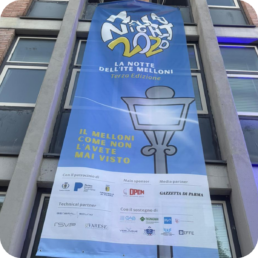
Last Friday, ITE Macedonio Melloni in Parma hosted the third edition of MelloNight, the school’s end-of-year event bringing together students, teachers, professionals and local businesses.
Verlingue proudly supported the initiative as partner and sponsor, reaffirming its commitment to the local community and younger generations. Supporting schools means helping young people grow while strengthening the connection between education and the world of work.
More than just a celebration, MelloNight offered an opportunity for students to engage with local companies and professionals. An environment designed to encourage talent, skills and ambition, while helping students gain a clearer understanding of the opportunities and challenges awaiting them after school.
For Verlingue, taking part in initiatives like this means investing in meaningful relationships and in the future of the local area. Congratulations to the students, teachers and organisers for the energy and success of the evening.