

Public procurement: non-qualified authorities must also delegate market surveys
Public procurement: non-qualified authorities must also delegate market surveys
Non-qualified public authority: market surveys must also be delegated to the central purchasing body
Contracting authorities may purchase goods and services only within the limits of their qualification level. This qualification is obtained through ANAC’s recognition of the requirements set out in Annex II.4, such as the presence of an internal office or department dedicated to procurement procedures, the availability of digital procurement platforms, and other relevant criteria.
As a result, where a contracting authority does not hold the required qualification, it must rely, for above-threshold procedures, on central purchasing bodies or other qualified entities included in the ANAC register.
The purpose of the new qualification system, as outlined in Articles 62 and 63 of the Public Contracts Code, is to ensure greater efficiency, professionalisation and rationalisation in public procurement.
The Italian Ministry of Infrastructure and Transport has recently addressed an interpretative issue: where a procedure is entrusted by a non-qualified authority to a central purchasing body, can the market survey be published and carried out by the non-qualified authority itself?
The question fits within the framework developed by administrative case law, which qualifies expressions of interest as a pre-tender phase with a purely exploratory purpose.
With opinion no. 4184 of 21 April 2026, the Ministry provided a clear answer: in the absence of the required qualification, the entire procedure, from the market survey through to the award, must be managed exclusively by the qualified entity.
It follows that no fragmentation of the procedure is permitted, as all stages, including preliminary phases, require the involvement of qualified entities.
For further information:
· Opinion no. 4184 of 21 April 2026 – Italian Ministry of Infrastructure and Transport;
News

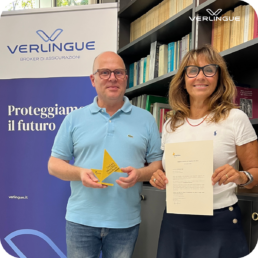

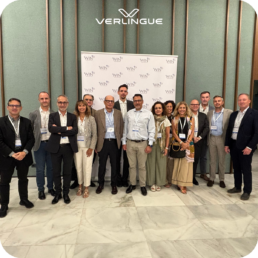



























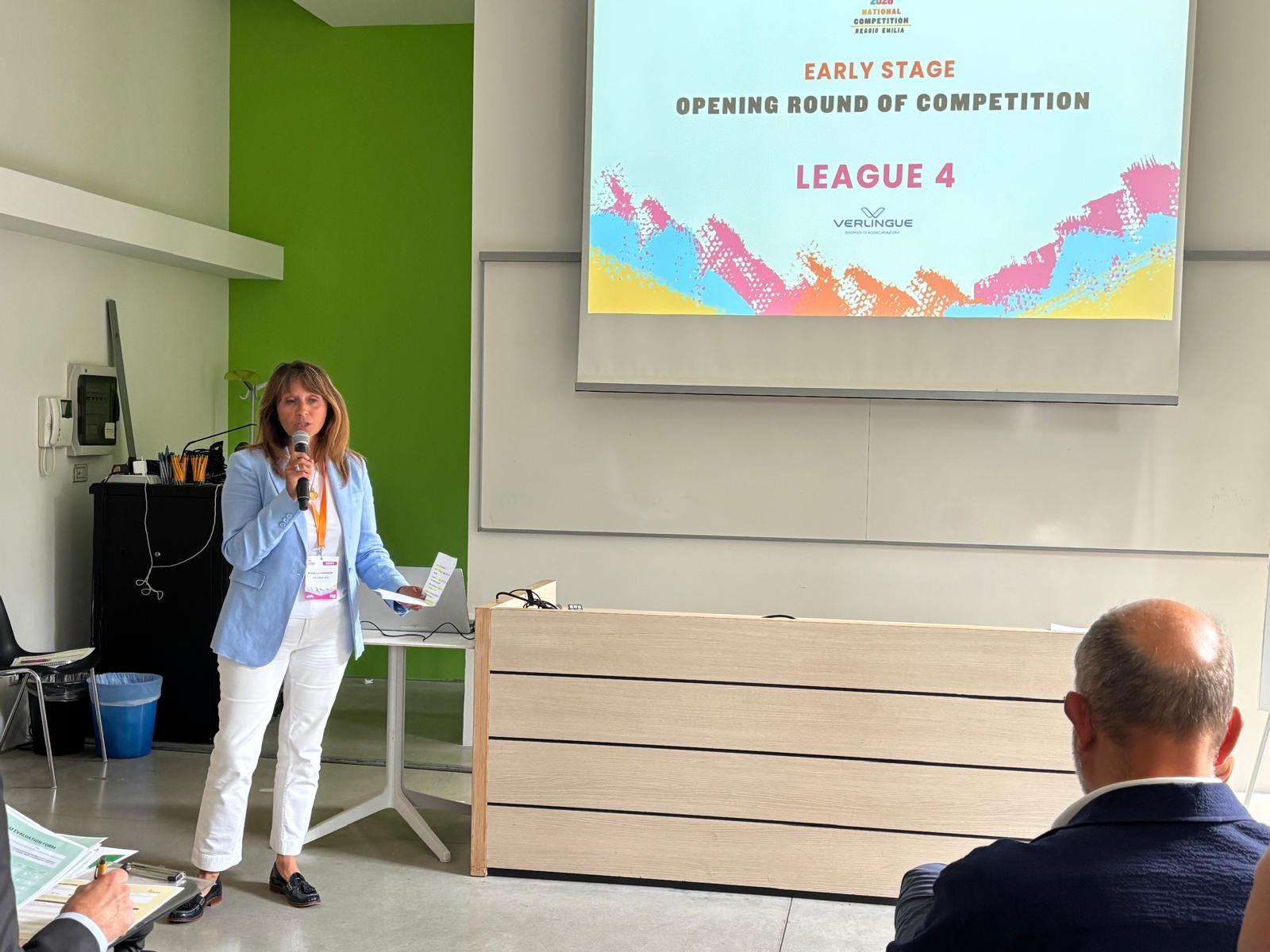
Verlingue supports Enactus Italy and the National Competition 2026
Verlingue supports Enactus Italy and the National Competition 2026
Supporting students and socially impactful entrepreneurial projects to foster skills and innovation
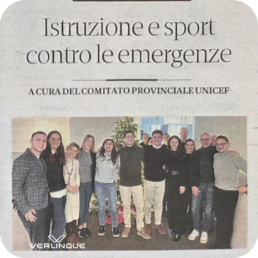
Verlingue is a Corporate Partner of Enactus Italia, an organisation that promotes entrepreneurial projects developed by university students with a strong social and environmental impact. Through the involvement of companies, partners and universities, Enactus Italy works to nurture a new generation of socially conscious leaders capable of turning innovative ideas into practical solutions for communities and local areas.
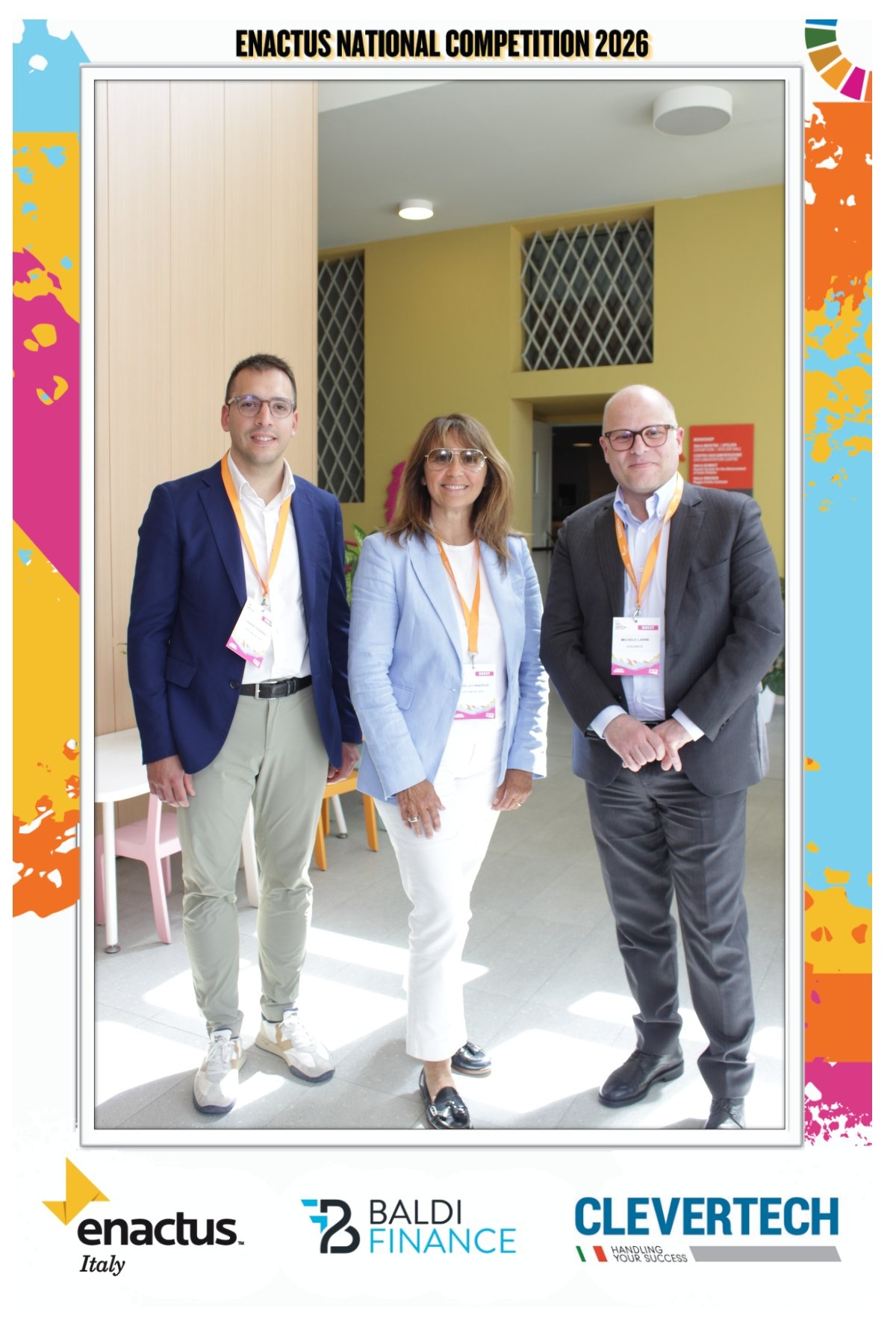
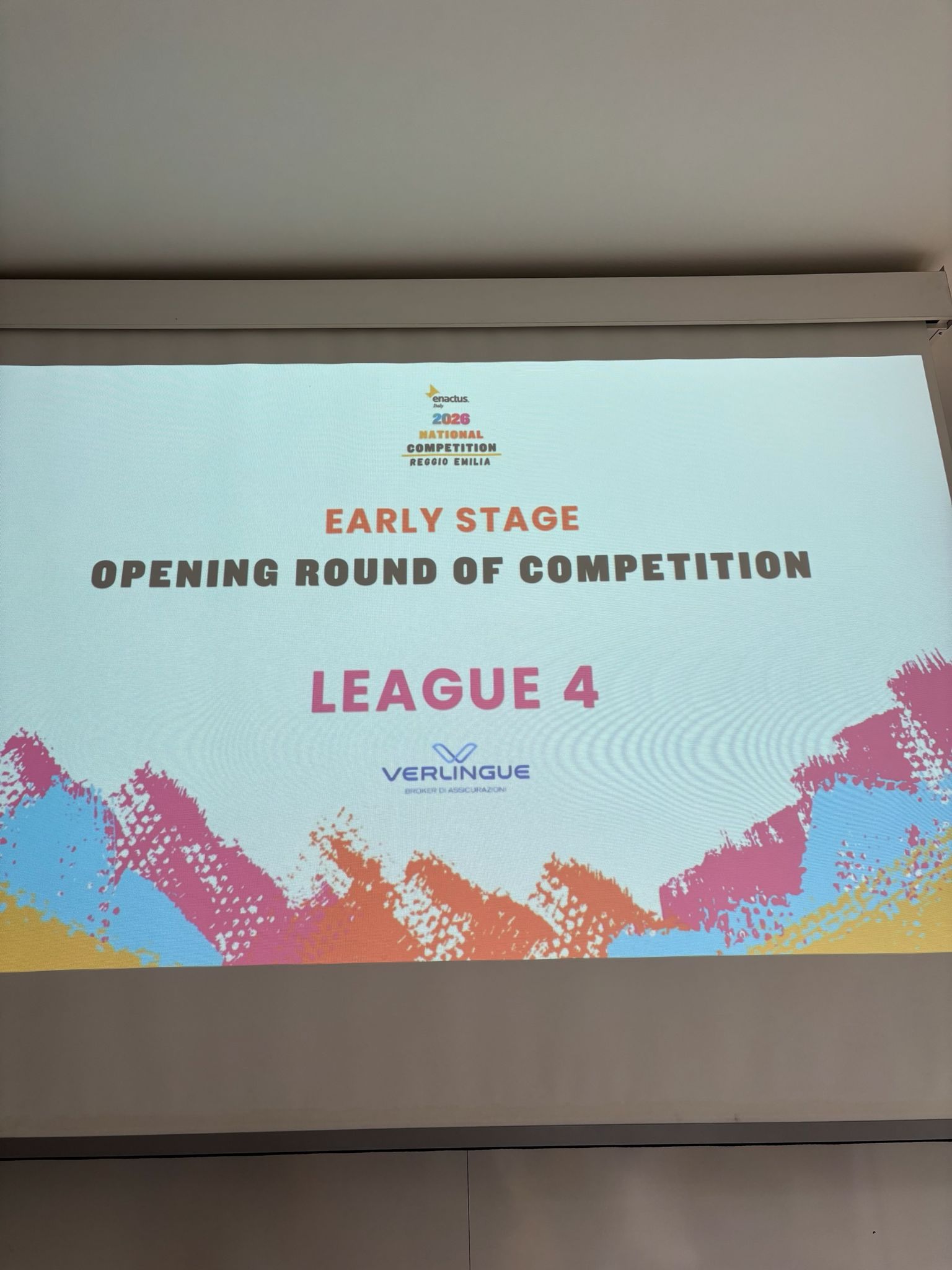
Partners within the network play a key role in supporting the organisation’s mission and in developing initiatives focused on sustainability, social inclusion, youth entrepreneurship and social impact innovation. In this context, Verlingue took part in the Enactus Italia National Competition 2026, held on 19 and 20 May 2026 in Reggio Emilia at the Centro Internazionale Loris Malaguzzi.
“Verlingue has been a partner of Enactus for three years now, and we are truly proud of this,” said Rossella Carapezzi, Head of Communications and Quality at Verlingue. “Every year, we see young people turning ideas into tangible change. We believe in them – in their energy, their creativity and their ability to make a difference. We care deeply about learning and growth. That is why our parent company established the Adelaide University Academy, to help people develop their skills and realise their potential.”
The event provided an opportunity for students, companies and partners to come together and share projects and ideas aimed at delivering concrete responses to future challenges.
For Verlingue, supporting initiatives such as Enactus Italy means contributing to the development of models based on responsibility, innovation and sustainable growth, while encouraging dialogue between businesses and younger generations.
News
Verlingue celebrates the 2026 Spring Celebration
Verlingue celebrates the 2026 Spring Celebration
A convivial evening at the Arzaga Golf Club to get together outside the everyday work environment
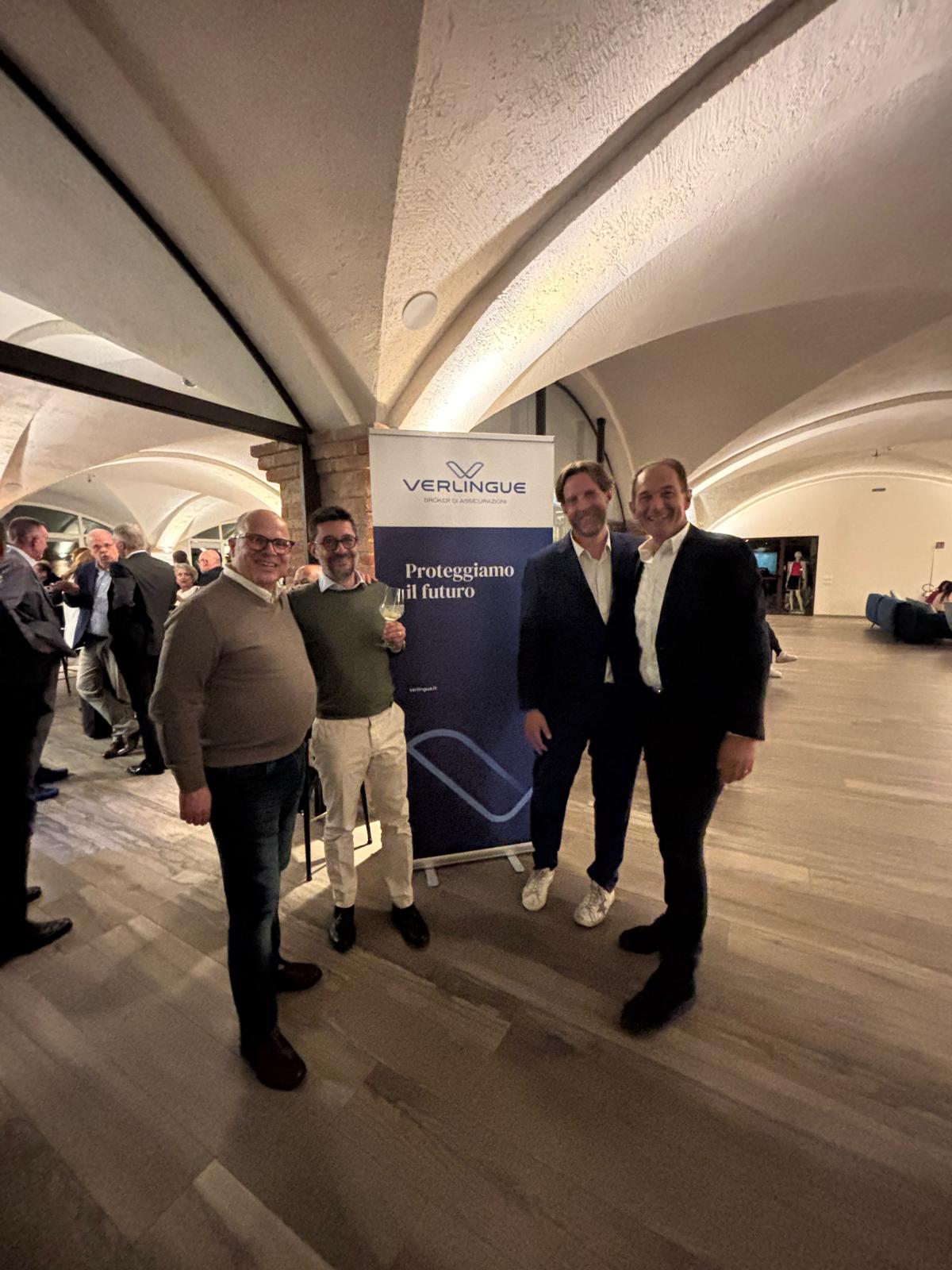
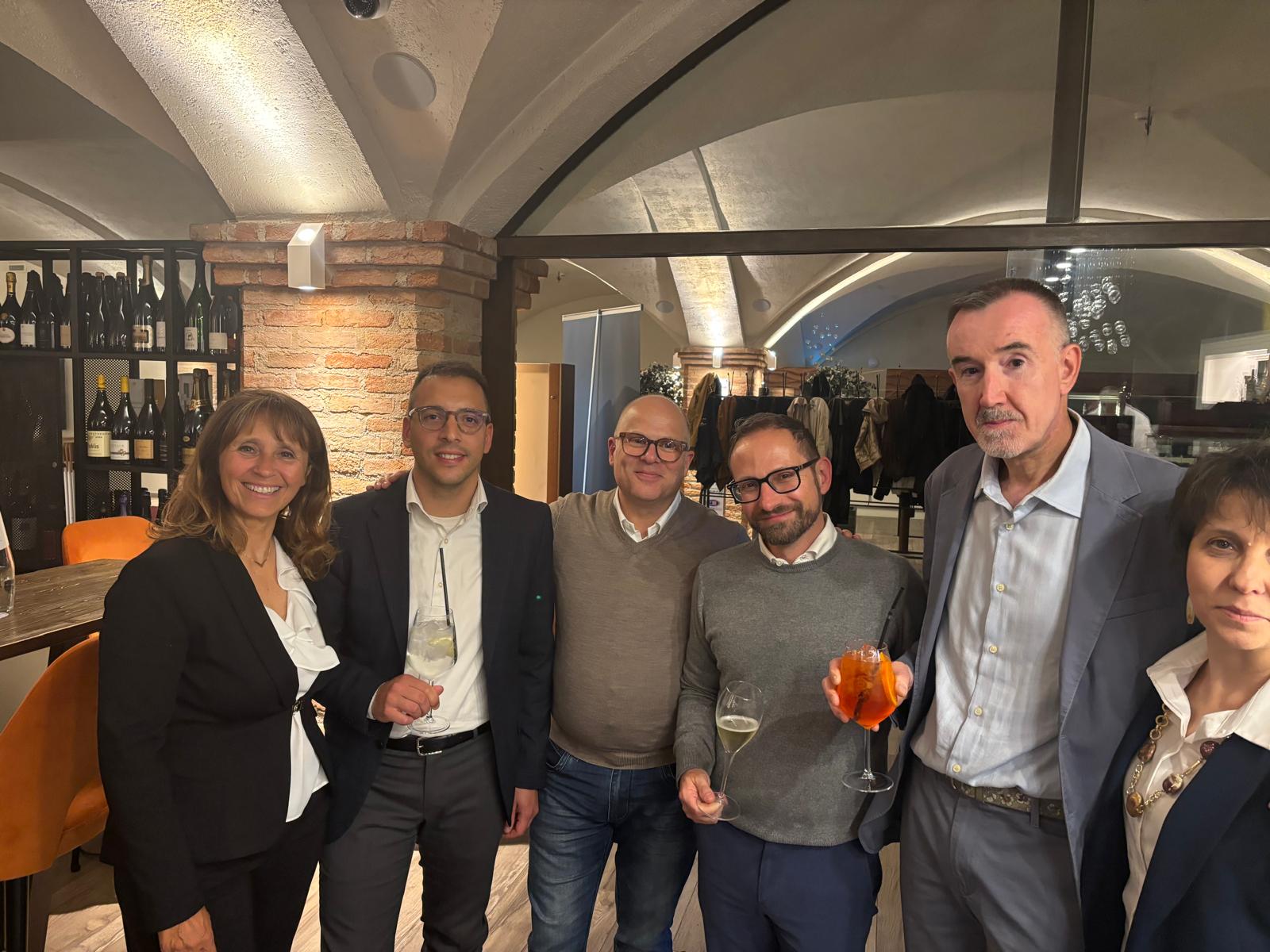
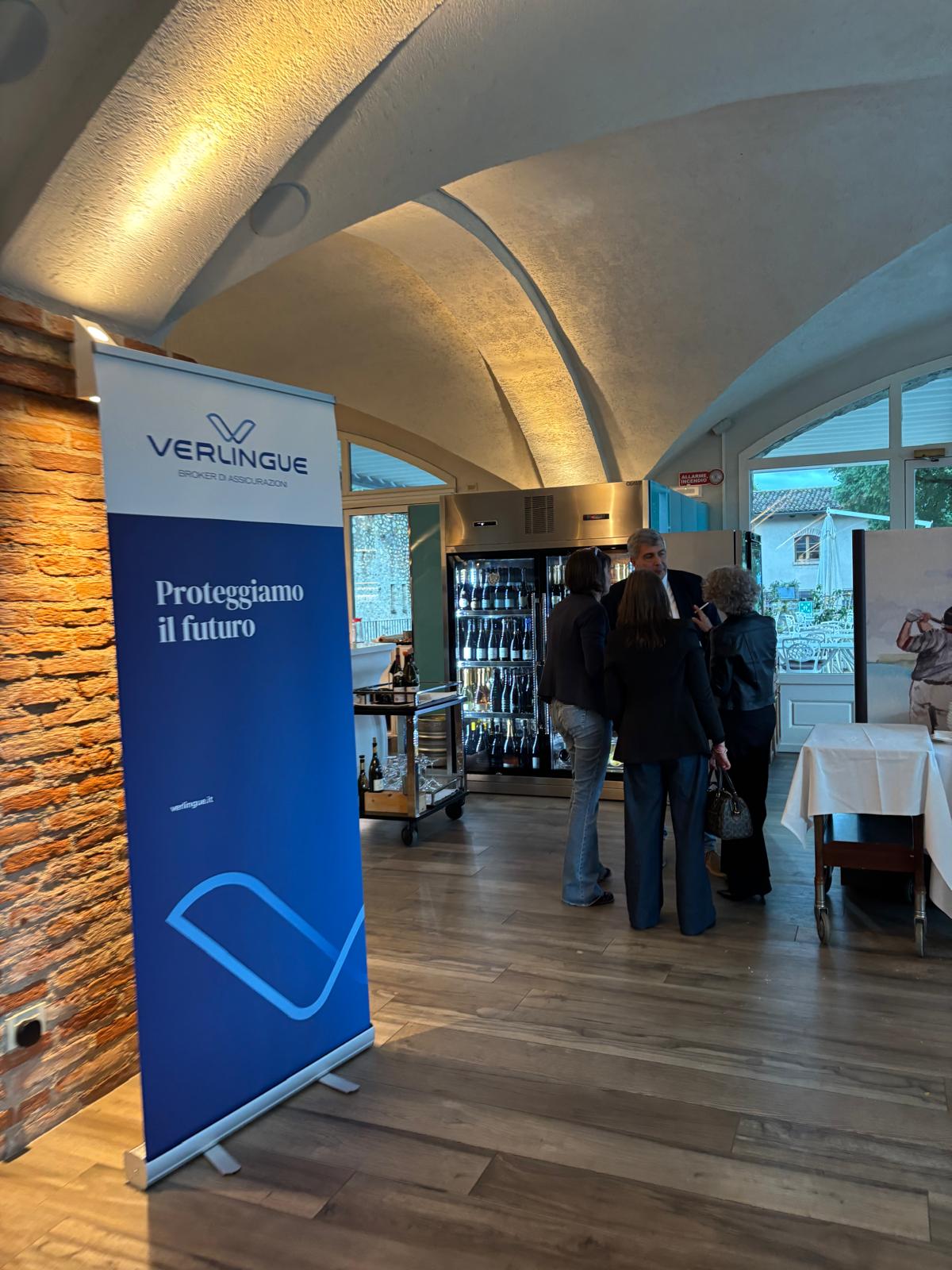
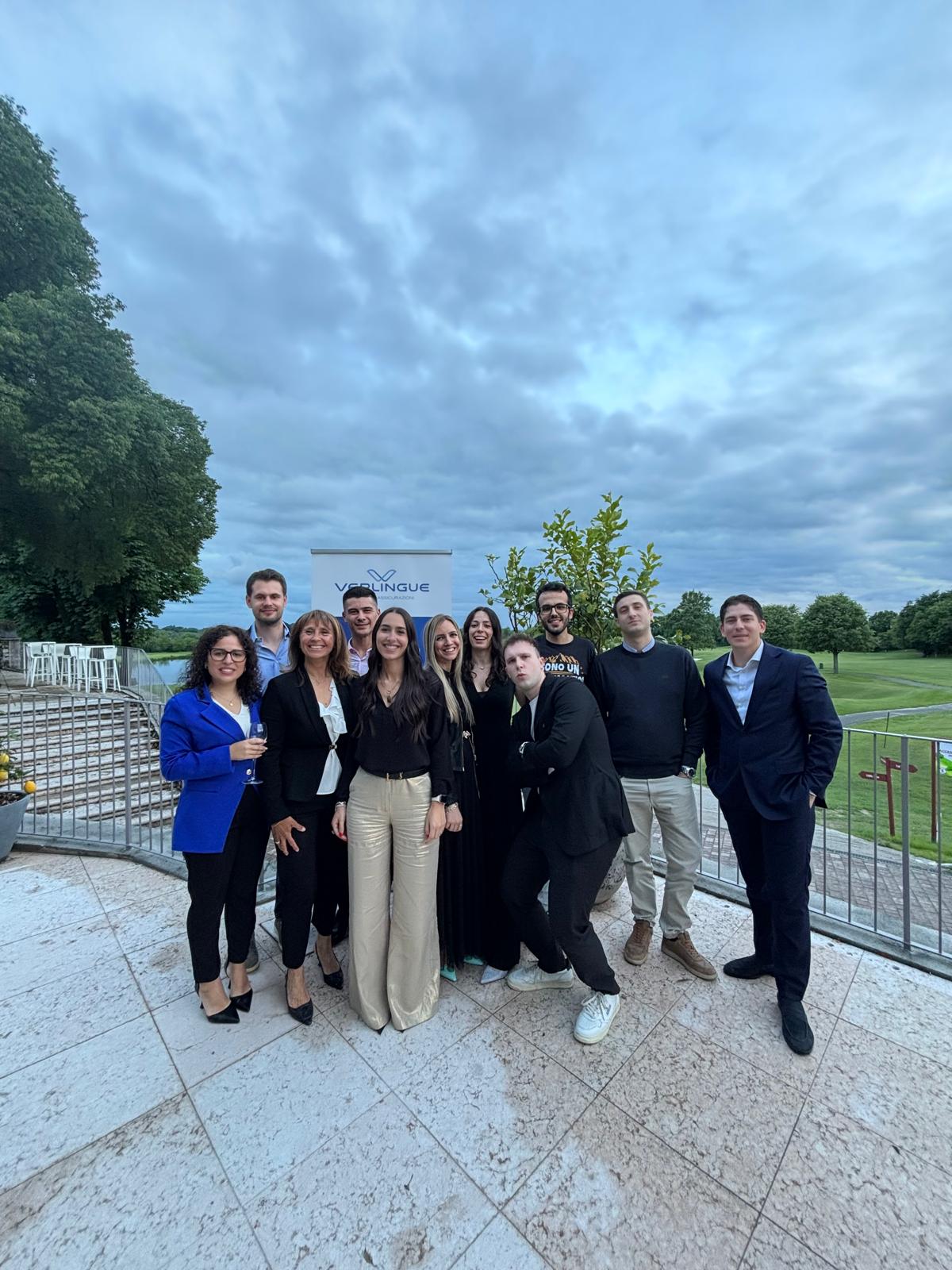
On Friday 15 May 2026, Verlingue Spa held its Spring Party, an event dedicated to the company’s staff and designed to allow everyone to share an evening in an informal and convivial setting.
The event took place at the Arzaga Golf Club, where colleagues from Verlingue’s various offices had the opportunity to meet outside the workplace, dine together and enjoy an evening accompanied by music. It was a chance to get together and share experiences, helping to strengthen internal relationships and a sense of belonging to the company.
For Verlingue, growth also depends on the quality of relationships between people: occasions such as this help to strengthen team spirit and highlight the human side of the organisation.
News

Verlingue alongside Gas Sales Bluenergy Volley Piacenza
Verlingue alongside Gas Sales Bluenergy Volley Piacenza
Verlingue supports Gas Sales Bluenergy Volley Piacenza, recent winners of the 2026 CEV Volleyball Cup
Gas Sales Bluenergy Volley Piacenza secured the first CEV Volleyball Cup in the club’s history after defeating SVG Lüneburg 3-0 in the second leg of the final in front of a sold-out PalabancaSport arena. The victory marks one of the most significant achievements for the Piacenza-based side in recent years and confirms the club’s growing role within the SuperLega Credem Banca, the top tier of Italian men’s volleyball.
Verlingue’s support is part of this journey, reaffirming its role as a supporter of the Piacenza club. A partnership built around shared values such as vision, growth, team spirit and the ability to face challenges with determination.
The success of the biancorossi is the result of a long-term path shaped by ambition, planning and a strong collective identity. These are principles that closely reflect Verlingue’s own corporate culture, as the company works every day alongside businesses and organisations in risk management and the development of long-term strategies.
Because, just as in the strongest organisations, the greatest achievements in sport are built on mutual trust, preparation and a shared vision.
News

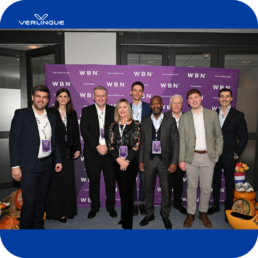
Verlingue at the WBN Global Conference 2026 in Philadelphia
Verlingue at the WBN Global Conference 2026 in Philadelphia
International brokers meet in Philadelphia to discuss risk management and multi-country clients
The WBN Global Conference, one of the most significant events for the international insurance broking community, took place in Philadelphia from 29 April to 2 May 2026. The conference brought together professionals and partners from multiple markets, with the aim of strengthening global coordination and addressing the operational challenges of managing risk on an international scale.
Verlingue Italy’s participation forms part of a broader strategy to consolidate the Group’s position within the Worldwide Broker Network, with an increasing focus on multinational programmes and the integrated management of clients operating across multiple jurisdictions. The Italian delegation was represented by David Lee Rodriguez and Massimiliano Aloi.
Throughout the conference, discussions focused on key operational topics that are becoming increasingly central to the industry, including:
- the management of multinational insurance programmes;
- cross-border coordination and alignment with local regulatory frameworks;
- the evolving role of the broker as a central point of coordination between global client needs and local expertise.
“We are delighted to take part in the WBN Conference in Philadelphia,” said Rodriguez, “a highly relevant international event that provides a valuable opportunity for dialogue, professional development and the creation of new business relationships. Being present at an event of this calibre confirms Verlingue Spa’s commitment to strengthening its presence in global markets and to continuing to deliver increasingly innovative and effective insurance solutions to its clients”.
In this context, Verlingue’s participation represented a strategic opportunity to reinforce relationships with international partners and to foster new avenues for collaboration.
News

Direct awards following a market consultation: failure to invite must be justified
Direct awards following a market consultation: failure to invite must be justified
The rules governing direct awards remain a particularly sensitive area for public authorities, especially where they are preceded by market consultations or expressions of interest.
A recent ruling by the Regional Administrative Court (TAR) of Calabria (Judgment No. 74/2026) clarifies the limits of administrative discretion in simplified procurement procedures.
The case
On 9 September 2025, a municipality in Calabria published a prior market consultation notice, as a preliminary step to launching a negotiated procedure (Article 50(b) of Legislative Decree No. 36/2023), for the award of a school catering service covering nursery, primary and lower secondary schools.
Four economic operators responded to the notice. However, one of them, without any explanation, was not subsequently invited to submit a tender.
The excluded operator challenged the award decision, and the claim was upheld on the following grounds.
Grounds for the decision
Article 50, read in conjunction with Annex I.1 of Legislative Decree No. 36/2023, provides that in the case of a direct award (i.e. awarding a contract without a formal tender procedure), the contracting authority retains discretion in selecting the contractor, even where several economic operators have been consulted in advance.
However, this discretion is not unfettered. It must comply with the general principles set out in Law No. 241/1990, including transparency, publicity, and—crucially—the obligation to state reasons for administrative decisions, a principle also rooted in constitutional law.
It follows that a direct award which fails to explain why an operator, despite having expressed interest, was not invited to submit a bid is unlawful, as it breaches the duty to provide reasons established under Law No. 241/1990.
For further details:
- TAR Calabria, Judgment No. 74/2026;
- Article 50 and Annex I.1 of Legislative Decree No. 36/2023;
- Articles 1 et seq., Law No. 241/1990.
News

“Automatic defensive access rights”: infringement proceedings against Italy
“Automatic defensive access rights”: infringement proceedings against Italy
The new Public Procurement Code has had a significant impact on access to documents in public tenders, seeking to strike a balance between two competing interests:
- full transparency of documents for economic operators;
- protection of sensitive technical and commercial information.
Article 35 of Legislative Decree No. 36/2023 provides that contracting authorities must ensure digital access to the full set of tender documents, including bidders’ technical offers (paragraphs 2 and 3). However, technical proposals may be withheld where they qualify as technical or commercial secrets, provided this is duly justified by the bidder (paragraph 4).
Conversely, paragraph 5 allows access to such confidential information where it is strictly necessary for the purposes of legal defence in relation to the procurement procedure (the so-called “automatic defensive access right”).
The European Commission’s position
The European Commission has launched infringement proceedings against Italy, arguing that granting automatic precedence to defensive access conflicts with Article 21 of Directive 2014/24/EU. This provision rules out national frameworks that allow unconditional access to technical or commercial secrets solely to ensure judicial protection (Order of 10 June 2025, Case C-686/2024, Court of Justice of the European Union).
Accordingly, domestic legislation cannot establish an automatic priority for the effectiveness of judicial protection. Instead, it must ensure a proportionate balancing of the interests involved, failing which it risks breaching both the principle of proportionality and the effective protection of confidential information.
Italian case law aligns
More recently, the Council of State, in judgment No. 10036/2025, clarified that defensive access to confidential information does not automatically override confidentiality concerns. Even where a request is made for defence purposes, public authorities are required to balance the right to judicial protection against the need to safeguard technical and commercial secrets.
For further details:
- Council of State, Judgment No. 10036/2025;
- Article 35, Legislative Decree No. 36/2023;
- Article 21 of Directive 2014/24/EU;
- Order of 10 June 2025, Case C-686/2024, Court of Justice of the European Union.
News

Mandatory insurance for administrative liability: entry into force postponed to 1 January 2027
Mandatory insurance for administrative liability: entry into force postponed to 1 January 2027
The requirement to take out an insurance policy covering financial losses caused to the public administration through gross negligence, introduced by Law No. 1/2026, will no longer come into effect during 2026.
An amendment to the so-called Milleproroghe Decree has pushed the implementation date back to 1 January 2027, giving public bodies an additional year to align with the new framework and address the many outstanding uncertainties.
At the heart of the issue remains the fact that the cost is to be borne entirely by the individual employee. This stems from the prohibition set out in Law No. 244/2007, which prevents public entities from insuring their officials against risks arising from the performance of their institutional duties, including liability for damage caused to the State.
What will happen in 2026?
With the postponement, the Government intends to carry out a comprehensive review of the framework, aiming to make the insurance requirement more sustainable while preserving the core objective of the reform: safeguarding public finances and ensuring responsible, transparent management of public resources.
As a result, 2026 will serve as a transitional year. Public administrations will be able to assess the impact of the reform, revise internal procedures, update delegated responsibilities, and work towards a system that—by 2027—can be implemented in a clearer, more coherent way that properly reflects the complexity of administrative action.
The new deadline also creates an opportunity to shape a more balanced regulatory framework, capable of combining legal certainty, economic sustainability, and the operational continuity of public administration.
For further details:
Law No. 244/2007.
News

Digital motor claim form with SPID: what changes for drivers and insurers
Digital motor claim form with SPID: what changes for drivers and insurers
From 8 April 2026, all insurers must offer a digital accident report form
From 8 April 2026, the digital motor claim form becomes standard across the Italian insurance market. All insurers are now required to provide customers with an electronic version of the European Accident Statement (commonly known in Italy as CID), completing a transition that began on 1 July 2025 with guidance issued by IVASS.
The digital form complements the traditional paper version and carries the same legal validity, provided it is signed using an advanced electronic signature, typically via SPID or the Electronic Identity Card.
When the digital form can be used
The conditions remain aligned with the traditional process. The digital claim form can only be used when:
- no more than two vehicles are involved;
- both drivers agree on how the accident occurred.
It is therefore designed to streamline the handling of the most common, low-complexity claims.
How the process works
Each insurer integrates the service into its apps or customer portals. The process is guided and structured:
- access via the app or secure customer area;
- indication of location, date and time;
- reconstruction of the event, often using predefined diagrams;
- upload of photos taken at the scene;
- signature via SPID or equivalent systems.
The document is transmitted in real time to the insurer’s systems. Drivers can also submit their own statement independently, even if the other party does not use the digital tool.
Benefits and limitations of the new system
Digitalisation brings clear operational advantages:
- fewer completion errors;
- elimination of paper-based processes;
- enhanced security through digital identification.
The obligation applies to insurers, not policyholders. The paper form remains valid and available, ensuring continuity for those less comfortable with digital tools.
Luigi Mercurio, President of AIPED, has emphasised the importance of maintaining an inclusive approach. A fully enforced digital shift could otherwise risk excluding part of the user base.
An operational shift, not just a technological one
The digital claim form represents a tangible evolution in claims management. It reduces processing times, improves data quality and strengthens anti-fraud controls.
For policyholders and intermediaries alike, the real value lies not only in the technology itself, but in the ability to use it effectively. Ensuring access to platforms and verifying policy data in advance becomes an integral part of risk prevention.