
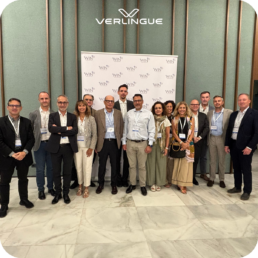
Verlingue at the WIN 2026 Convention
Brokers, insurers and providers discuss the evolution of the insurance market
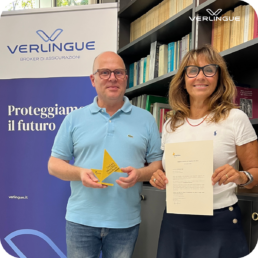
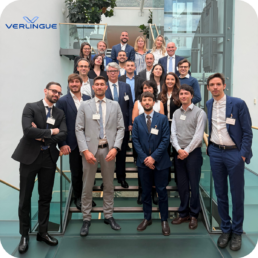
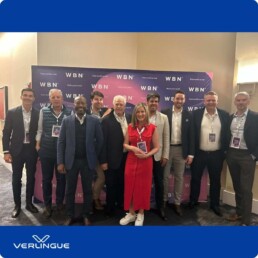
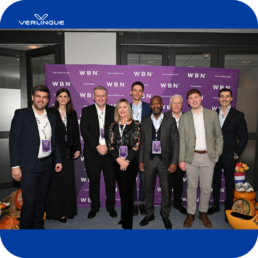
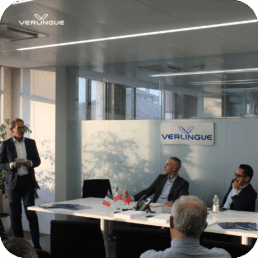
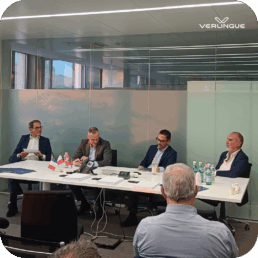
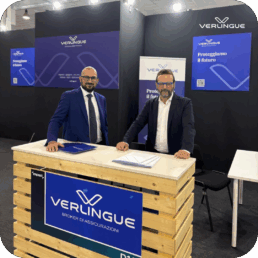
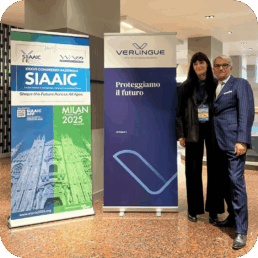
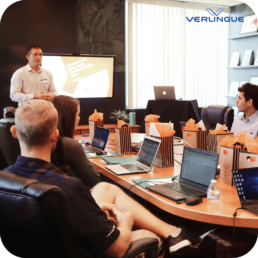
On 2 July 2026, Verlingue attended the WIN Convention 2026, the annual event bringing together brokers, insurers and providers from the WIN – Wholesale Insurtech Network to discuss the key transformations shaping the insurance market.The event provided an opportunity for industry insight and debate on some of the most relevant issues currently facing the sector: from the changing role of insurance broking to the evolution of risk, technological innovation and the use of artificial intelligence in insurance processes.For Verlingue, as a WIN partner, the Convention was an important opportunity to engage with the market and exchange views, gaining a closer understanding of the dynamics that are redefining the role of the insurance broker and the needs of businesses. Insurance broking: specialisation and new models One of the key themes to emerge was the evolution of insurance broking towards increasingly specialised models, able to combine technical expertise, underwriting capability, technology and in-depth risk knowledge.In this context, the broker’s role is no longer limited to placing insurance solutions. Brokers are increasingly called upon to help companies understand more complex risks, design appropriate insurance programmes and identify solutions that are aligned with market developments.The WIN Convention 2026 highlighted how the evolution of the sector requires greater integration between insurance expertise, data, digital processes and analytical capabilities. MGAs: a model to watch Among the topics discussed, particular attention was given to the role of Managing General Agents, known as MGAs, and to the use of captive insurance structures.Under the traditional model, an MGA distributes and underwrites policies on behalf of an insurance company, usually assuming only a limited share of the risk. Integration with a captive changes this structure, allowing the organisation to participate more directly in the underwritten risk and in the technical performance of the portfolio.In some cases, the model involves the use of a fronting carrier, which issues the policies and transfers part of the risk to the captive through reinsurance. This structure can offer greater flexibility in the design of insurance products, particularly in niche or highly complex markets.At the same time, it is a model that requires careful consideration from a regulatory, capital and actuarial perspective. Direct participation in risk requires robust underwriting standards, appropriate control processes and a structured approach to compliance. Technology, AI and insurance process management The transformation of the insurance market is also being driven by technological innovation. During the WIN Convention 2026, participants discussed the potential impact of artificial intelligence on insurance processes, with particular focus on opportunities to improve efficiency, data analysis and operational support.For brokers, technology is becoming an increasingly important factor in information management, risk assessment and dialogue with insurers and clients. However, the adoption of digital tools must be supported by strong technical expertise and clear process governance. M&A, leadership and integration Another key topic was the impact of M&A activity on the broking sector. Acquisitions and integration processes can expand expertise, geographical presence and service capabilities, but they also require appropriate leadership models and careful management of organisational integration.In this context, the ability to lead change becomes a central factor. Processes, people, technologies and corporate cultures must be coordinated consistently in order to generate value and preserve service quality.