
Longer sickness absences push absenteeism rate to 6%, Verlingue finds - Verlingue Absenteeism Barometer - 10th Edition
Longer sickness absences push absenteeism rate to 6%, Verlingue finds - Verlingue Absenteeism Barometer - 10th Edition
Verlingue France, the insurance broker specialising in business protection, has published the tenth edition of its Absenteeism Barometer.
The sickness absence rate reached 6% in the first half of 2026, a 2% increase year on year. The rise was most pronounced among women, clerical staff and managers. Although the proportion of employees taking sick leave fell, periods of absence became longer.
Longer absences drive the increase
The sickness absence rate reached 6% in the first half of 2026, compared with 5.9% in the same period of 2025 and 5.5% in 2024. This represents an increase of 2% year on year and 9% over two years.
The rise came despite a fall in the proportion of employees taking sick leave. During the period, 29.2% of employees were absent for at least one day, down 6% compared with the first half of 2025. However, the average duration of absence rose by 5% year on year to 19.9 days. Employees who took sick leave recorded an average of 1.59 spells of absence, compared with 1.53 in the first half of 2025.
Women, clerical staff and managers see the largest increases
Trends varied considerably across employee groups. The sickness absence rate stood at 7.6% among women, compared with 4.6% among men. The rate increased by 4% year on year for women but fell by 1% for men.
Among clerical staff, the rate reached 7.7%, up 5%. For managers, it rose by 3% to 2.9%, with a particularly marked increase in the average duration of absence. The rate among manual workers remained unchanged at 7.7%.
The increase was also more pronounced among employees under 45. Rates rose across all age groups up to 45, while generally remaining stable or declining among older employees.
Long-term absence accounts for a growing share of days lost
Absences lasting 31 days or more now account for 73% of all days lost to sickness, compared with 71% in the first half of 2025 and 70% in the first half of 2024.
The proportion of employees experiencing these extended absences also increased, from 6.42% in the first half of 2024 to 7.05% in the first half of 2026. This rise was confined to employees under 40 and was particularly marked among those under 30, with a 10% increase year on year.
Absences lasting more than 60 days recorded in 2025 were primarily associated with psychosocial risks and musculoskeletal disorders. These accounted for 28% and 24% of identifiable medical conditions respectively. The average duration of absence was 195 days for cases associated with psychosocial risks and 209 days for musculoskeletal disorders.
The employee groups affected differed according to the underlying condition. Extended absences associated with psychosocial risks were more common among managers. Musculoskeletal disorders were more prevalent among non-managerial employees, with their incidence increasing with age.
News































Professional indemnity and legal expenses: the Brescia event
Professional indemnity and legal expenses: the Brescia event
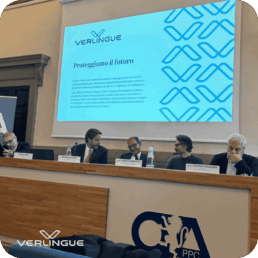
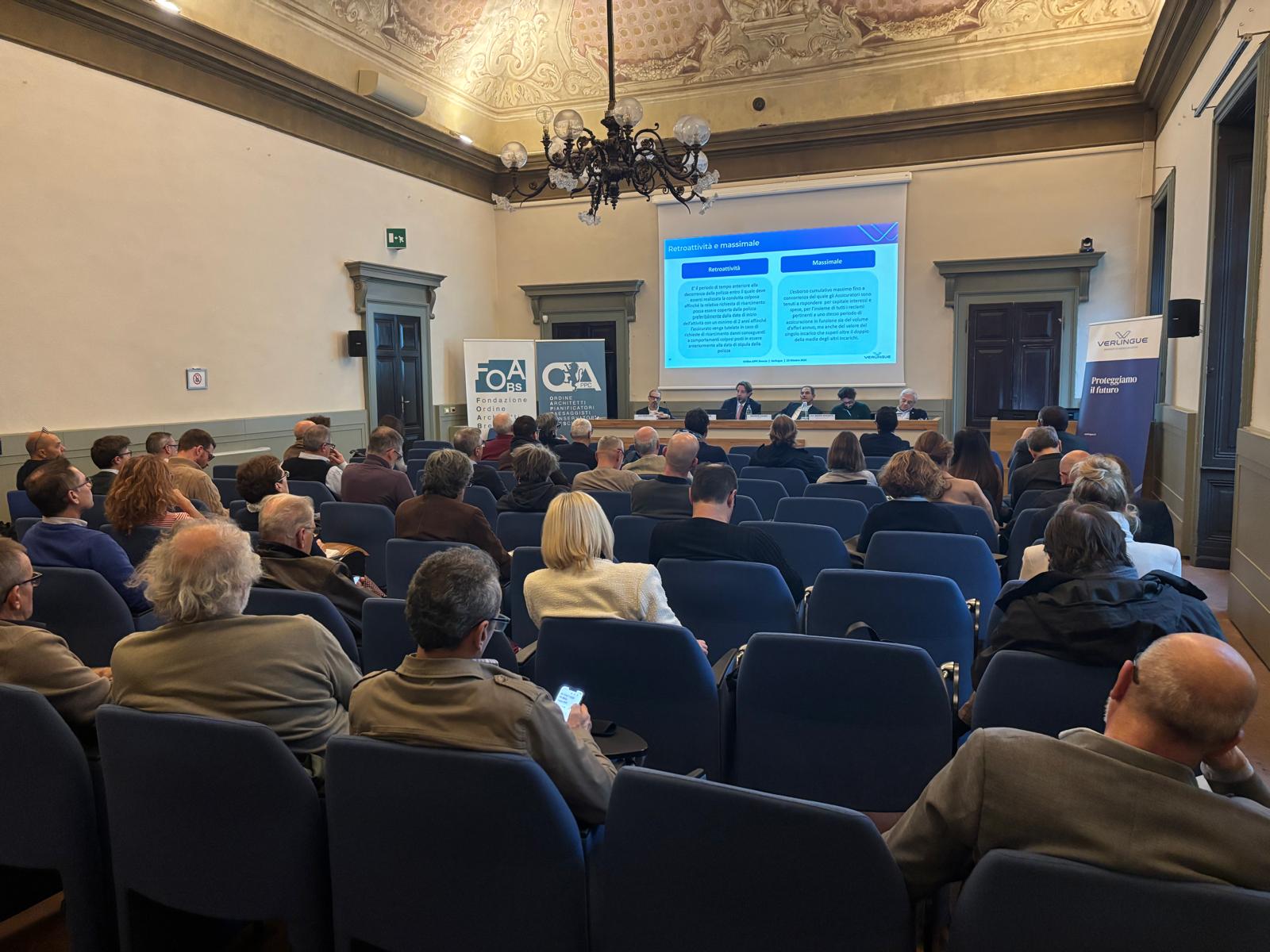
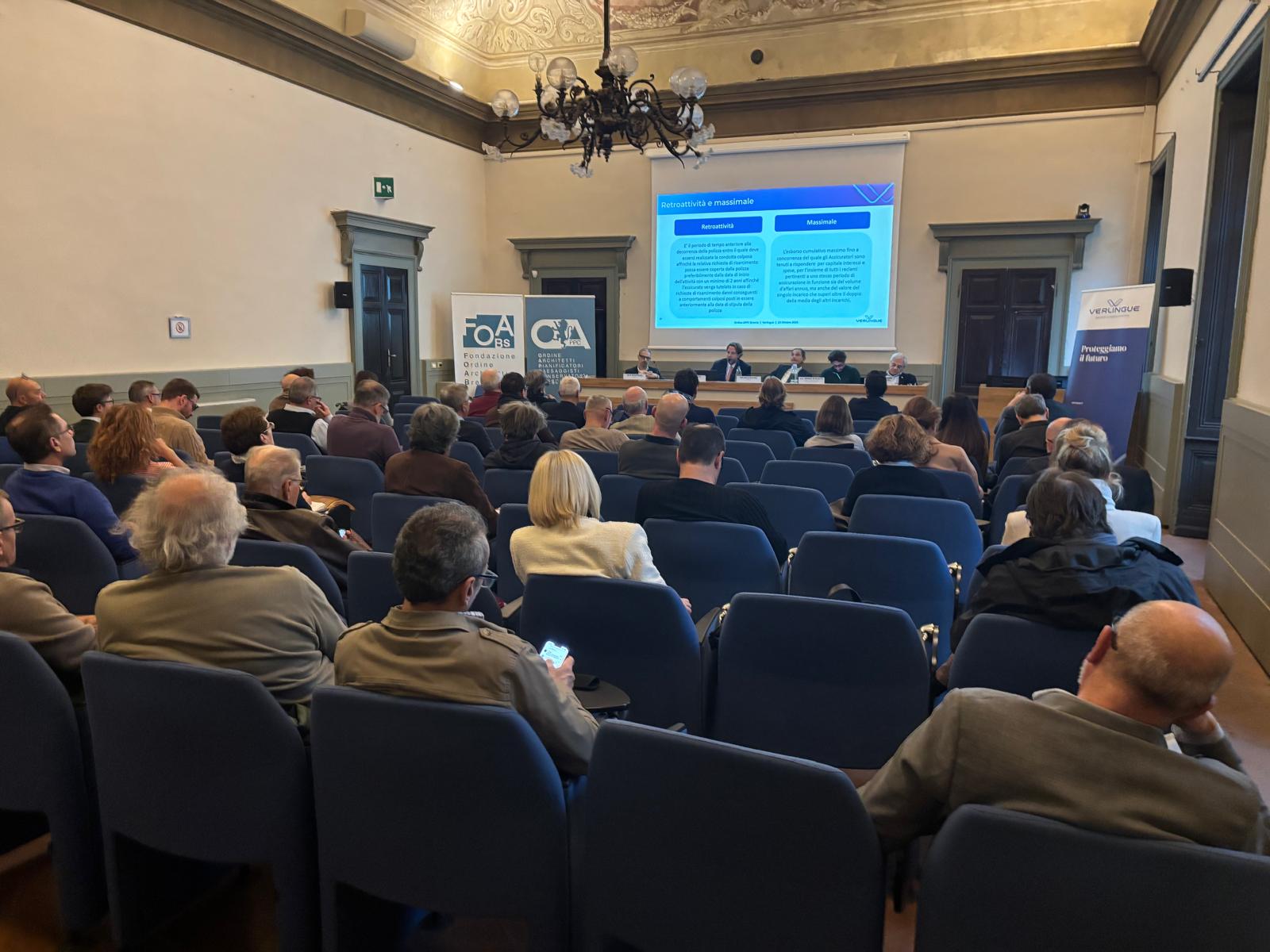
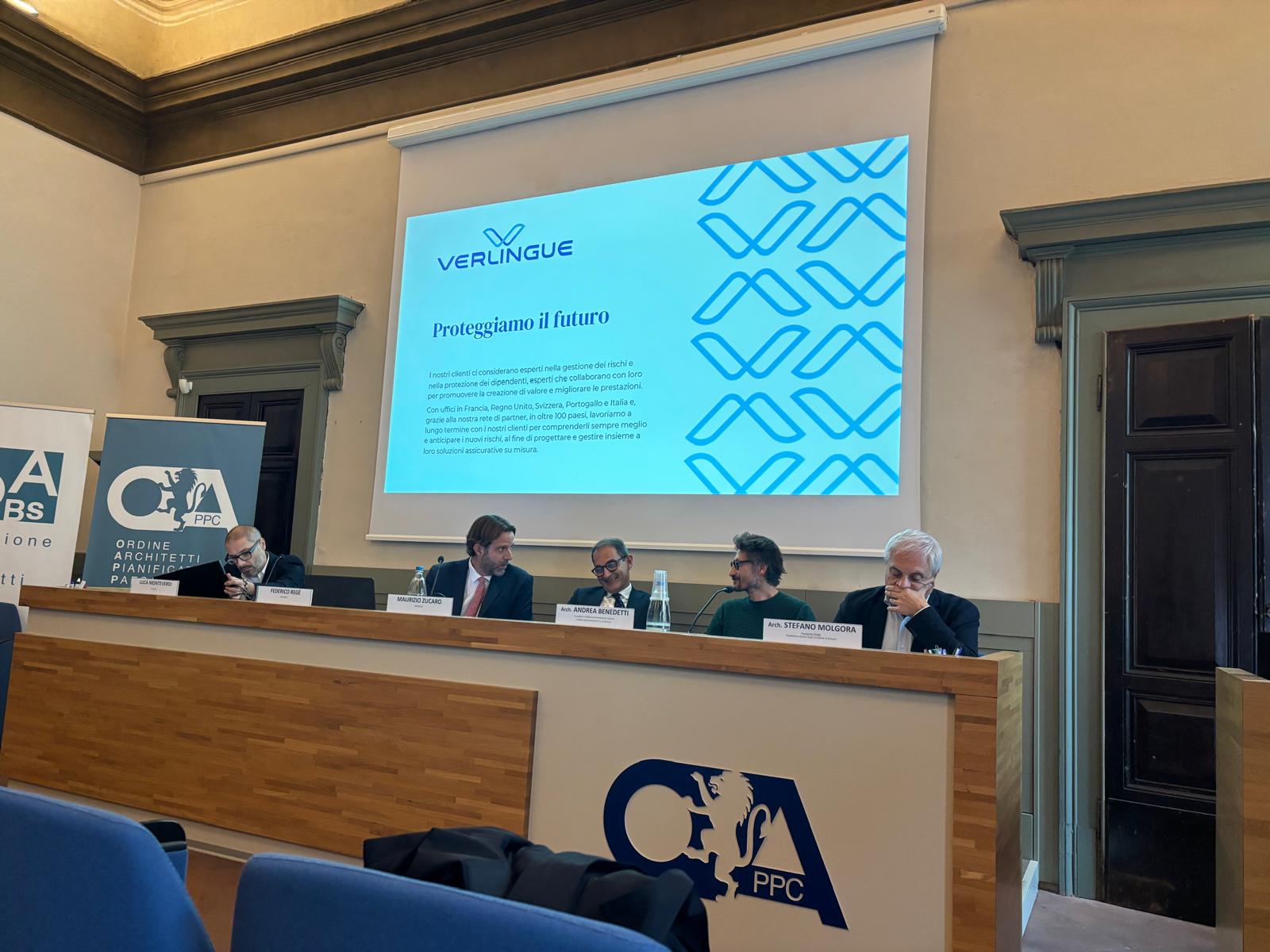
The event on 23 October opened the professional ethics series organised by the Brescia Order of Architects and its foundation, FOABS
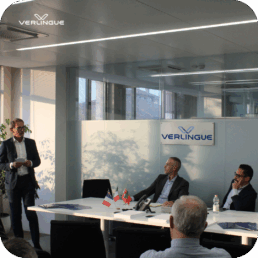
The legal framework for professional liability, legal expenses insurance and practical case studies were the focus of an event held in Brescia on 23 October. It opened “Pillole deontologiche”, a professional ethics series organised by the Brescia Order of Architects and its foundation, FOABS.
Understanding professional risks and insurance protection
“Professional Indemnity and Legal Expenses Insurance: Regulation and Practical Case Studies” explored the risks architects face in their work and the insurance options available to them. The programme covered developments in professional indemnity insurance, alongside real-life cases and time for questions and discussion.
Hosted at the Order’s headquarters, the event was free to attend and offered two continuing professional development credits in professional ethics.
Verlingue supported the event as a supporting partner of FOABS, under an agreement covering the foundation’s professional development activities until 31 December 2027.
News
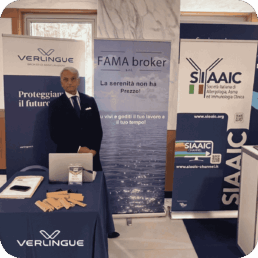
Verlingue at the 38th SIAAIC National Congress in Salerno
Verlingue at the 38th SIAAIC National Congress in Salerno
Attendance forms part of an ongoing partnership providing insurance advice and support to SIAAIC members
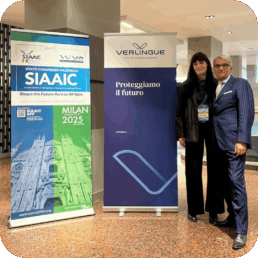
Verlingue attended the 38th SIAAIC National Congress, held at the Grand Hotel Salerno from 23 to 25 October 2026. SIAAIC is the Italian Society of Allergy, Asthma and Clinical Immunology, and the attendance formed part of an ongoing partnership providing insurance advice and support to its members.
Advances in treatment and environmental change
The congress explored new developments in allergy, asthma and clinical immunology. The programme covered innovative treatments and allergen immunotherapy, alongside sessions on food and drug allergies and severe asthma. It also examined environmental factors, including pollution and climate change, and their relationship with allergic diseases.
Verlingue had a dedicated stand at the event, which brought together specialists for scientific discussion and professional development.
Insurance advice for SIAAIC members
The insurance partnership reflects SIAAIC’s focus on clinical risk management and professional protection for allergists and clinical immunologists. The society appointed Verlingue to develop a tailored service, available through the members-only insurance section of its website.
Members can seek insurance advice, request help understanding their existing policies and obtain quotations from partner insurers. The service also provides medico-legal, legal and insurance resources, together with a questions and answers section.
Attendance at the congress forms part of this continuing relationship with the specialist community, giving members a point of contact for insurance matters arising from their professional practice.
News
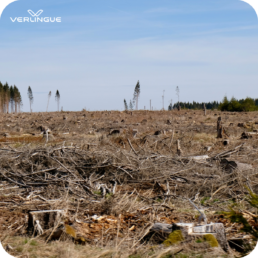
CAT NAT Insurance Policies: One Year On. Where Does the Italian Market Stand?
CAT NAT Insurance Policies: One Year On. Where Does the Italian Market Stand?
Just over one year after the introduction of the mandatory insurance requirement for catastrophic risks, the Italian CAT NAT insurance market has entered a new phase. The introduction of the requirement represented a significant step not only for the insurance system, but also for the relationship between businesses, intermediaries and insurers.
The first key finding emerging from the monitoring carried out by IVASS (the Italian insurance supervisory authority) concerns the uptake of CAT NAT coverage. As of the end of April 2026, approximately 700.000 CAT NAT policies were in force, against an estimated potential market of around 4,5 million businesses. This figure highlights the significant growth achieved by the market, while also showing that there remains considerable room for further penetration.
The propensity to purchase coverage is also not uniform across different business sizes. Medium-sized and large companies show significantly higher levels of coverage, while penetration remains lower among small and medium-sized enterprises and, more generally, among smaller businesses. This difference may reflect the stronger risk management capabilities of larger companies, as well as the greater complexity and cost of risk assessment and transfer for smaller businesses.
Compliance may also have been affected by the absence of a clear and direct penalty for failing to purchase the required insurance. Although the legislation provides for a link between insurance compliance and access to certain public contributions and incentives, the absence of an immediate sanction may have reduced the perceived urgency to comply, particularly among smaller businesses.
From Compliance with the Requirement to Risk Management
The first year of implementation has shown that CAT NAT should not simply be regarded as an additional insurance requirement.
The legislation introduced minimum coverage for events such as earthquakes, floods and landslides. However, the market has rapidly developed beyond these minimum requirements. Insurers have started offering additional benefits, coverage extensions and, in some cases, advance indemnity payments to address immediate needs following a catastrophic event.
This highlights an important trend: CAT NAT insurance is progressively evolving from a simple compliance tool into a component of a broader property protection and business continuity programme.
Pricing and Conditions: There Is No Single CAT NAT Rate
Another key element highlighted by IVASS monitoring is the significant variability in premiums.
Pricing depends on several factors, including the geographical location of the risk, the value and characteristics of the insured assets, policy terms, conditions and exclusions. For this reason, a comparison based solely on premium does not provide a proper assessment of the quality and actual breadth of the coverage.
The consequence is clear: in the CAT NAT market, the ability to analyse policy wording and the overall structure of the coverage is at least as important as the price.
Outstanding Challenges
One year after the introduction of the requirement, however, there are still several areas in which the market will need to evolve.
These include the correct determination of insured values, greater clarity around exclusions, and the management of the economic consequences of a catastrophic event. There is also a need to develop a stronger culture of prevention: insurance protection is, in fact, only one of the tools through which a business can strengthen its resilience.
A New Phase for Businesses and Brokers
The first year has therefore enabled the Italian market to take an important step forward, but it can hardly be considered an end point.
The real challenge over the coming years will be to transform the CAT NAT requirement into a broader risk management culture. For businesses, this means understanding that purchasing insurance is not simply about complying with a legal requirement, but about protecting productive capacity and business continuity.
For intermediaries, and brokers in particular, this creates an advisory role that goes beyond simply obtaining a quotation: analysing geographical and property exposures, identifying appropriate insured values, ensuring that deductibles and sub-limits comply with statutory requirements, assessing coverage extensions, and developing a solution that is consistent with the company's risk profile.
After the first year, therefore, the question is no longer simply: “Does the company have a CAT NAT policy?”. It becomes: “Is the policy it has purchased actually adequate for the risk it needs to transfer?”
It is probably this shift from compliance to informed risk management that will shape the next phase in the evolution of the Italian CAT NAT insurance market.
News
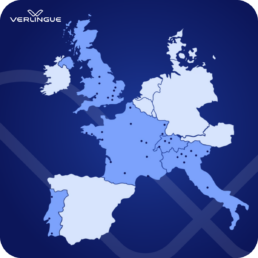
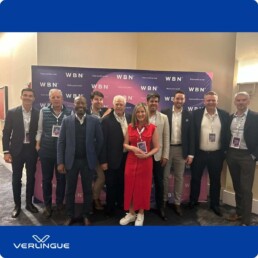
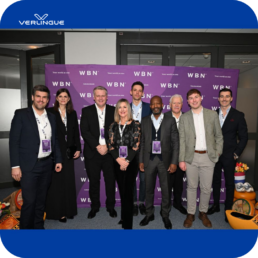
Verlingue consolidates its international offering by integrating Verlingue Portugal into the WBN network
Verlingue consolidates its international offering by integrating Verlingue Portugal into the WBN network
Verlingue, an insurance broker specialising in corporate protection, is strengthening its international presence by integrating Verlingue Portugal into the Worldwide Broker Network (WBN), the world's leading network of independent brokers. This development is part of the Adelaïde Group's Better Future 28 strategy, which aims to make Verlingue the leading independent, family-owned insurance broker in Europe.
“Today, companies expect support that combines a global vision with local expertise. Our European offices, our sector-specific expertise, and our global partner network enable us to support their international growth. The integration of Verlingue Portugal into WBN reinforces this setup to serve our customers and aligns perfectly with the ambitions of Better Future 28,” says Vincent Harel, CEO of Verlingue.
An international offering built on complementary expertise
As a founding member of WBN since its creation in 1989, Verlingue has progressively structured an international offering based on the complementary nature of its European locations, expertise, and partners. The broker relies on its teams in France, Great Britain, Switzerland, Portugal, and Italy, as well as a network of independent brokers operating in more than 100 countries.
This organisation allows Verlingue to assist its customers in defining their insurance strategy, identifying risks unique to each territory, and implementing solutions tailored to local realities. It combines a deep knowledge of markets and regulations with the ability to coordinate and manage operations on an international scale.
Verlingue’s international offering thus addresses the growing complexity and interdependence of risks faced by businesses, whether they relate to regulatory, geopolitical, climate, cyber issues, or employee benefits.
Verlingue Portugal joins the WBN network
As part of this international offering, the integration of Verlingue Portugal into the WBN network strengthens the system rolled out by Verlingue across Europe. It enables the subsidiary to expand its collaborations with fellow broker members of the network and contribute more directly to supporting companies operating in Portugal or the Iberian Peninsula.
For Verlingue's customers, this development makes it easier to align their insurance programmes across France, Portugal, and the other countries where they operate. It helps connect a global strategy with the specific regulatory and operational requirements of each market.
Verlingue Portugal’s membership in WBN helps reinforce the expertise, European footprint, and capacity to oversee risk management for its customers in the various countries where they operate.
About Verlingue
Verlingue is an insurance broker specialised in protecting businesses, and a subsidiary of the Adelaïde Group. Working alongside entrepreneurs, Verlingue’s goal is to harness corporate risk management and employee protection to drive its customers’ value creation and performance. With offices in France, Portugal, Switzerland, the United Kingdom and Italy, and through partners in over 100 countries, Verlingue works with its customers over the long term and at every instant to better understand and plan ahead for new risks, and develop simple yet effective solutions to protect their businesses (corporate risks) and their staff (supplementary social protection schemes and pensions).
1,600 employees, 600 of whom are based outside France
€3,400m in negotiated premium
Operating out of 5 countries in Europe
News

Verlingue supports OPEN! Studi Aperti in Brescia
Verlingue supports OPEN! Studi Aperti in Brescia
On 9 and 10 October, public events offered an insight into architects’ work and Brescia’s architectural heritage
Guided tours, discussions between generations of architects and project presentations formed part of Brescia’s OPEN! Studi Aperti 2026 programme on 9 and 10 October. Verlingue supported the local events through its partnership with FOABS, the foundation of the Brescia Order of Architects.
Bringing architecture closer to the public
Organised nationally by Italy’s National Council of Architects, Planners, Landscape Architects and Conservationists, OPEN! Studi Aperti aims to give the public a better understanding of architects’ work and their contribution to the quality of public and private spaces.
In Brescia, the programme included tours of Palazzo Martinengo delle Palle, a discussion between established architects and newly registered professionals, and an exhibition showcasing the work of architects under 40.
It also featured “Rodolfo Vantini’s Library: The Life, Interests and Work of an Independent Architect”, exploring the book collection the Brescia-born architect bequeathed to the Queriniana Library, with images and live music.
Support for OPEN! forms part of Verlingue’s agreement with FOABS, which runs until the end of 2027 and backs the foundation’s professional development activities.
News

Business resilience: why sustainability is a strategic lever for navigating change
Business resilience: why sustainability is a strategic lever for navigating change
Sustainability and risk management
Businesses are operating in an environment where risks are becoming increasingly interconnected. Extreme weather events, regulatory change, market volatility, technological transformation and evolving expectations from clients, investors and stakeholders can all affect business continuity, reputation and competitiveness. For this reason, business resilience is not simply about reacting to unexpected events. It is about understanding their potential impact in advance and preparing the organisation to respond effectively.
From risk management to adaptability
Managing risk today means looking beyond individual exposures. It means understanding how environmental, social, regulatory and organisational factors can affect the business, and translating those insights into decisions, processes and preventive measures. From this perspective, resilience depends on an organisation’s ability to identify its vulnerabilities, strengthen business continuity and adapt when circumstances change. Climate change, resource management, regulatory developments and new supply chain requirements are already affecting the way businesses operate.
The link between sustainability and resilience
Integrating ESG considerations into business management can help make risks more visible, including those that until recently may have been seen as marginal or remote. Measuring impact, monitoring relevant indicators and setting improvement targets can also provide useful information for assessing exposures, dependencies and vulnerabilities. Sustainability, therefore, is not only about reporting or compliance. It can also become a valuable tool for understanding risk and supporting better decision-making. This is where sustainability and resilience increasingly come together: in the ability to turn data and information into more informed choices.
A journey that also applies to Verlingue
The same approach also guides Verlingue’s own ESG journey. The EcoVadis and Greenly assessments have enabled the company to measure aspects of its performance in a more structured way and identify areas where further progress can be made. They are not an end point, but useful tools for understanding how far the organisation has come and helping to shape the next steps.
Supporting businesses in a changing environment
For Verlingue, supporting businesses in managing risk also means helping them understand how their exposures are evolving. Sustainability, governance, business continuity and prevention are becoming increasingly interconnected. Resilience is built through this ability to understand risk, monitor how it changes and prepare the organisation to respond with greater awareness.
News
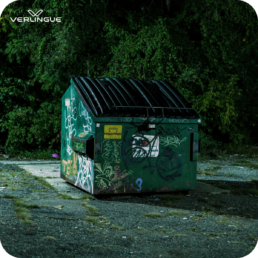
Environment and waste management
Environment and waste management
Illegally dumped waste: what does the environment monistry’s latest guidance mean for local authoritirs?
Circular No. 3/2026 from Italy’s Ministry of the Environment and Energy Security brings renewed attention to the management of waste dumped on public land or land accessible to the public. The principle is clear: this waste is always treated as municipal waste, regardless of its origin or initial classification.
As a result, local authorities remain responsible for its removal, both where those responsible for dumping it cannot be identified and where the operators responsible at the time fail to act.
Classifying waste through visual inspection
The Circular refers to the guidelines issued by Italy’s National Environmental Protection System (SNPA Resolution No. 105/2021) and confirms that dumped waste may be classified through visual inspection.
This simplified approach allows the appropriate European List of Waste (LoW) code to be assigned on the basis of readily observable characteristics, without **laboratory testing**, provided the waste is clearly identifiable, uniform in composition and shows no signs of hazardous properties or uncertainty.
This approach cannot be used for burnt waste, waste containing asbestos or potentially hazardous materials, or in any other circumstances where a reliable classification cannot be established.
Waste transport: more suitable vehicles and greater efficiency
The main development introduced by the Circular is that dumped waste may also be collected using vehicles registered under Categories 4 and 5 of Italy’s National Register of Environmental Operators. These include hooklift trucks, lorries fitted with cranes and other vehicles authorised to carry non-hazardous or hazardous waste commercially, provided the correct LoW code has been assigned beforehand.
The measure gives local authorities a wider range of operational options, allowing them to use vehicles better suited to the waste being collected while maintaining high standards of environmental safety and improving the efficiency of removal operations.
Overall, the Circular confirms a more flexible approach to managing dumped waste, providing local authorities with practical guidance on both classification and transport.
The requirements for accurate waste identification and traceability remain in place. Within this framework, local authorities now have more effective tools to carry out prompt, safe removal operations in compliance with environmental legislation.
Further reading:
- Circular No. 3/2026 — Italian Ministry of the Environment and Energy Security
News

Public procurement and electronic tendering
Public procurement and electronic tendering
Bid submission prevented by platform delays: bydder must be readmitted
The digitalisation of tender procedures is an increasingly important issue for contracting authorities.
A recent judgment by the Umbria Regional Administrative Court (TAR), No. 854/2025, addresses a practical question: what happens when a bidder uploads its tender documents within the deadline but cannot complete the submission because of delays or technical issues affecting the e-procurement platform?
The case
The dispute arose from a tender procedure launched by the Lazio Region through an e-procurement platform. A bidder had begun uploading its tender documents within the prescribed deadline.
During the upload, however, an issue involving the processing of a digitally signed file in “p7m” format slowed down the system, preventing the bidder from completing the submission on time.
The contracting authority rejected the bidder’s request to be readmitted, citing the principle of bidder responsibility, under which tenderers are expected to allow sufficient time before the deadline to complete their submissions.
The bidder challenged the decision before the Regional Administrative Court, which upheld the appeal on the following grounds.
The Court’s reasoning
The Court held that a bidder is entitled to an opportunity to complete its submission after the deadline not only where a platform malfunction has been established, but also where the cause of the delay cannot be determined with certainty.
In such circumstances, the risk associated with an “unknown cause” rests with the contracting authority, which selected and provided the platform used for the tender procedure.
The principle of bidder responsibility, together with provisions in the tender rules advising bidders to submit well before the deadline, cannot result in all technical risk being transferred to the bidder.
A bidder that began uploading its documents in good time cannot therefore be excluded if platform delays or technical issues prevented it from completing the submission, even where the precise cause cannot be established.
Further reading:
- Umbria Regional Administrative Court (TAR), Perugia, Judgment No. 854/2025
News

ESG: more than a recognition. A commitment shared across Verlingue
ESG: more than a recognition. A commitment shared across Verlingue
Sustainability and company culture
When sustainability is discussed, attention often focuses on ratings, badges and assessments. In reality, behind every recognition lies the day-to-day contribution of people across the organisation.
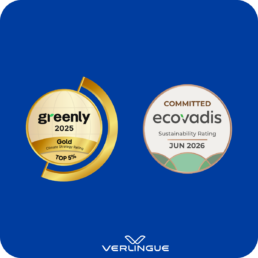
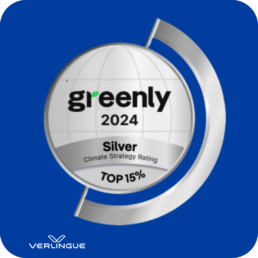
Receiving the EcoVadis Committed Badge and the Greenly Gold Medal reflects a broader journey involving several business functions, each contributing data, procedures, policies and activities already embedded within the organisation.
Human Resources, Compliance, IT, Finance, Management and Procurement all contributed to the collection and analysis work needed to build a more structured picture of Verlingue’s ESG performance.
In recent years, the Adelaïde Group has invested in strengthening ESG awareness through dedicated training programmes and initiatives, with the aim of progressively embedding environmental, social and governance principles into everyday business activities.
For Verlingue, ESG means acting with integrity and transparency, supporting people’s wellbeing and development, progressively reducing its environmental impact and building responsible relationships with clients, partners and suppliers.
The results achieved in 2026 therefore represent one stage in a broader journey, which continues to evolve through the contribution of different teams across the business.
Assessments help measure progress. It is people, every day, who make that progress tangible.